What the calculator estimates
The calculator converts wall length and rail height into a panel count and equal spacing, then adds stile length and molding runs before applying waste.
Free wall panel and molding estimator
Estimate wainscoting panels, stile spacing, board feet, molding length, waste, and material cost for walls, stairways, and full rooms. Adjust rail height, panel width, and pricing for your supplier.
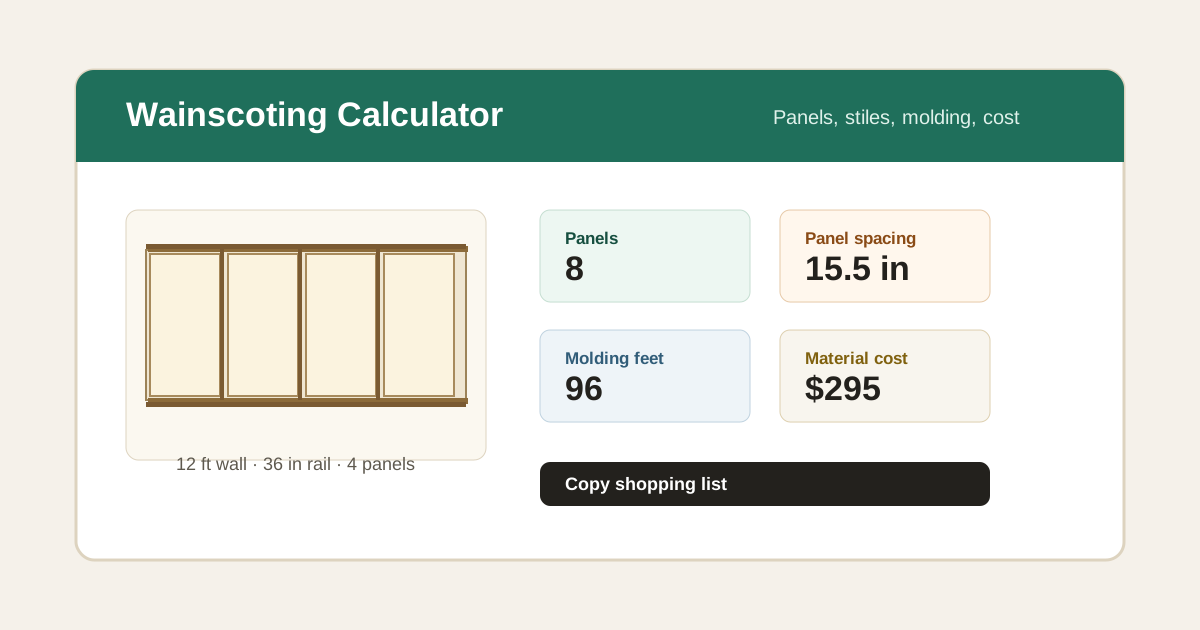
Enter wall length and rail height, choose a panel width, and the calculator works out equal panel spacing, stile count, and molding length. Real layouts vary with corners, outlets, and installer, so use this as a planning estimate.
For rooms with several walls, add each wall separately or combine total run length.
Panel width is the visible opening between stiles. Add a top rail, bottom rail, and cap molding in feet.
The calculator converts wall length and rail height into a panel count and equal spacing, then adds stile length and molding runs before applying waste.
Dining and living rooms often use 36 to 42 inches, hallways and stairways 36 inches, and bathrooms 32 to 36 inches. Chair-rail cap height sets the finished look.
Real panel layout changes with corners, doors, outlets, and installer. Confirm stile widths, panel thickness, and bundle quantities with your supplier.
Divide the net wall run by the target bay width (panel width plus stile width) to find how many equal panels fit, then add one stile for the end. This calculator rounds to the nearest whole panel and shows the actual spacing you will get.
A common rule is one-third to two-fifths of the ceiling height, which lands near 36 inches for an 8 to 9 foot ceiling. Dining rooms and entryways often go taller at 42 inches, while bathrooms stay around 32 to 36 inches.
Panels between 12 and 18 inches look balanced on most walls. Narrower panels suit short walls and hallways, while wider panels suit long dining or living room walls. The calculator adjusts the actual width so panels come out even.
Yes. Subtract the width of openings from the wall run so panels are not wasted behind a door. Keep a waste factor of 10 to 15 percent for cuts, corners, and returns. Enter the number of openings and an average width here.
Most layouts start and end at a corner stile. For long runs with multiple corners, measure each wall section separately and total the net run, or add a small waste factor for corner returns and cap miters.
No. It is a planning estimate. Prices, panel thickness, molding profile, finish, adhesives, delivery, taxes, and labor vary by supplier, product, and location.