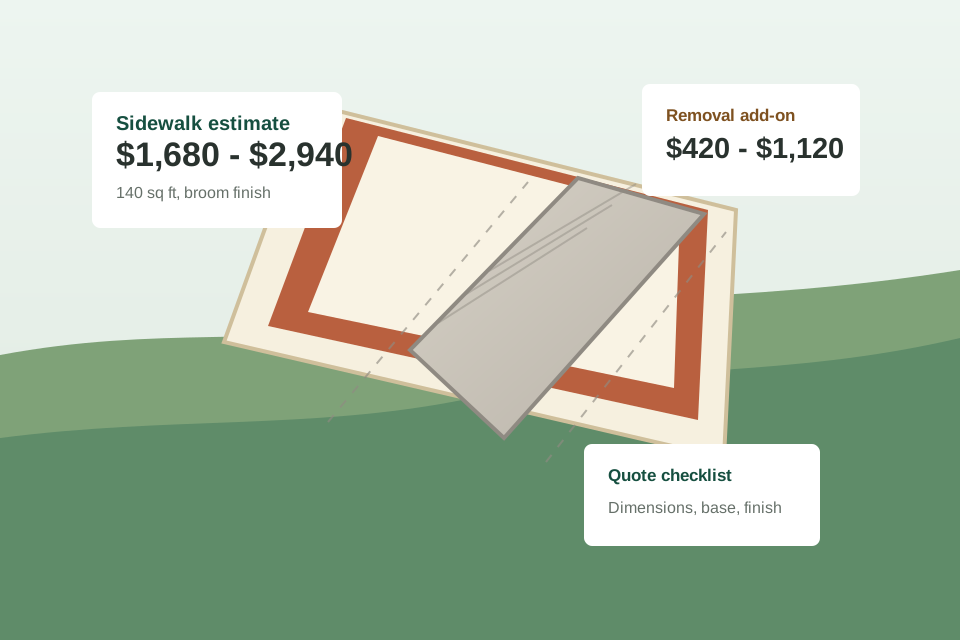
Common Sidewalk Estimate Examples
These presets keep the same editable assumptions as the calculator. They are quick starting points for residential planning, not fixed market prices.
How The Estimate Is Calculated
The calculator starts with area, thickness, and a local cost range, then adds finish, base, removal, reinforcement, prep, and permit allowances. Material volume is shown separately so the installed cost does not hide the concrete quantity.
Area and volume
Square feet come from length x width or your known area. Cubic yards use area x thickness / 12 / 27, then the material buffer is added.
Installed cost
The installed range combines concrete work, labor, supplies, finish upgrades, base prep, demolition, and local market level.
DIY material check
The bag count uses an 80 lb bag yield of about 0.60 cubic feet. Always check the actual bag label before buying material.
Quote Checklist
Bring the same project details to each contractor so the quotes are easier to compare.
Measurements
- Length, width, and target thickness.
- Existing sidewalk area to remove, if any.
- Access notes for trucks, mixers, and demolition.
Scope
- Finish type and control joint expectations.
- Base, grading, reinforcement, and drainage concerns.
- Cleanup, haul-away, and site protection.
Local checks
- Public sidewalk or private walkway ownership.
- Permit, HOA, right-of-way, slope, and accessibility rules.
- Utility locating before digging.
Common Cost Mistakes
Only pricing concrete
Installed sidewalk work often includes forming, prep, finish, cleanup, and labor. Material-only math can look much lower than a real quote.
Forgetting removal
Breaking and hauling old concrete can be a meaningful separate cost, especially with tight access or thicker slabs.
Skipping local rules
Public sidewalks, slope, drainage, and accessibility requirements can change the project scope. Confirm them before approving work.
Sidewalk Cost FAQ
Is this a final contractor quote?
No. It is a planning estimate based on editable assumptions. A contractor quote can change after a site visit, demolition check, local permit review, and finish discussion.
What is the biggest cost driver?
Square footage is the biggest driver, but replacement, finish type, grading, access, base work, local labor rates, and permit requirements can move the final cost significantly.
Can I use this for a public sidewalk?
Use it only for early budgeting. Public sidewalks may involve city ownership, right-of-way rules, accessibility standards, inspections, and required contractors.
Why does the calculator show bags and ready-mix?
The installed cost is the main estimate. The material check helps with small DIY planning and shows why larger projects usually need a contractor or ready-mix quote.