Two-person home
One shower and light sink use may point toward a smaller tank, but first hour rating still matters if laundry or dishes run during the same hour.
Residential hot water sizing
Estimate storage tank size, first hour rating, tankless GPM, and temperature rise for a home water heater before you compare models or request installer quotes.
Use these examples to sanity-check the result before comparing water heater models or asking installers for bids.
One shower and light sink use may point toward a smaller tank, but first hour rating still matters if laundry or dishes run during the same hour.
Two showers plus dishwasher use often pushes the target beyond a small tank. Check both tank gallons and first hour rating.
Lower inlet water temperature increases temperature rise, so the same shower flow may need a larger tankless unit in winter climates.
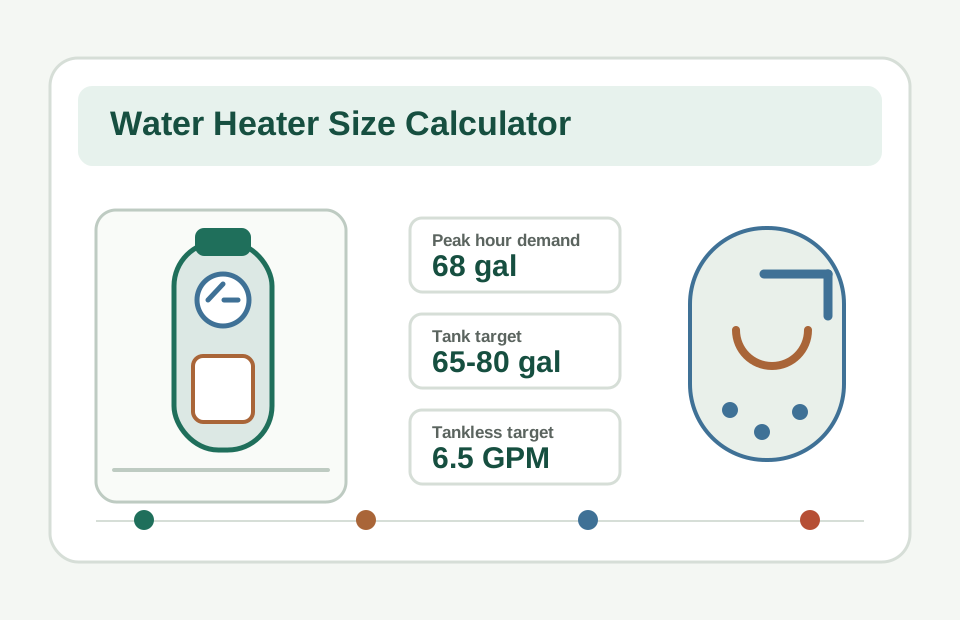
The calculator estimates one busy hour of hot water demand, adds a sizing buffer, then maps the target to common storage tank ranges and tankless flow requirements.
Storage and heat pump tanks need enough first hour capacity for your busiest hour.
peak hour = showers + dishwasher + washer + sink use
target FHR = peak hour x (1 + sizing buffer)
The tank result is a practical planning range, then adjusted by household size.
tank target = FHR target x recovery factor
range = nearest common 30, 40, 50, 65, 80 gal sizes
Tankless sizing depends on simultaneous flow and temperature rise.
simultaneous GPM = showers x shower GPM + active sinks
adjusted GPM rises when inlet water is colder
Most homes use a target near 120 F. Higher settings require caution because scald risk increases.
temperature rise = target hot temp - incoming water temp
Give each installer the same scope so quotes are easier to compare.
People in the home, bathrooms, peak shower count, dishwasher/laundry timing, existing tank size, and whether hot water runs out now.
Fuel type, gas line, electrical panel capacity, available space, drain pan, condensate drain, venting path, and earthquake straps if required.
Equipment model, tank gallons or GPM chart, first hour rating, labor, permit, old unit disposal, warranty, rebates, and emergency fees.
A 50 gallon tank with strong recovery may perform differently than another 50 gallon tank. Check first hour rating and recovery rate.
Tankless output changes with inlet temperature. A unit that works in a warm region may feel undersized in a colder region.
Gas, venting, panel capacity, condensate, space, drain pans, expansion tanks, and local code can change which products are practical.
For storage tanks, compare your peak hour demand with first hour rating. For tankless units, compare simultaneous GPM and temperature rise.
Sometimes, but it depends on shower timing, fixture flow, laundry, dishwasher use, and the unit's first hour rating.
It is the number of gallons a storage water heater can deliver in one hour when starting with a full tank.
Add the GPM of fixtures that may run at the same time, then check the tankless model's GPM at your required temperature rise.
Many homes plan around 120 F. Higher settings can increase scald risk and should be handled carefully.
No. It is a planning tool only. A qualified installer should verify fuel, venting, electrical service, product specs, code, and site conditions.