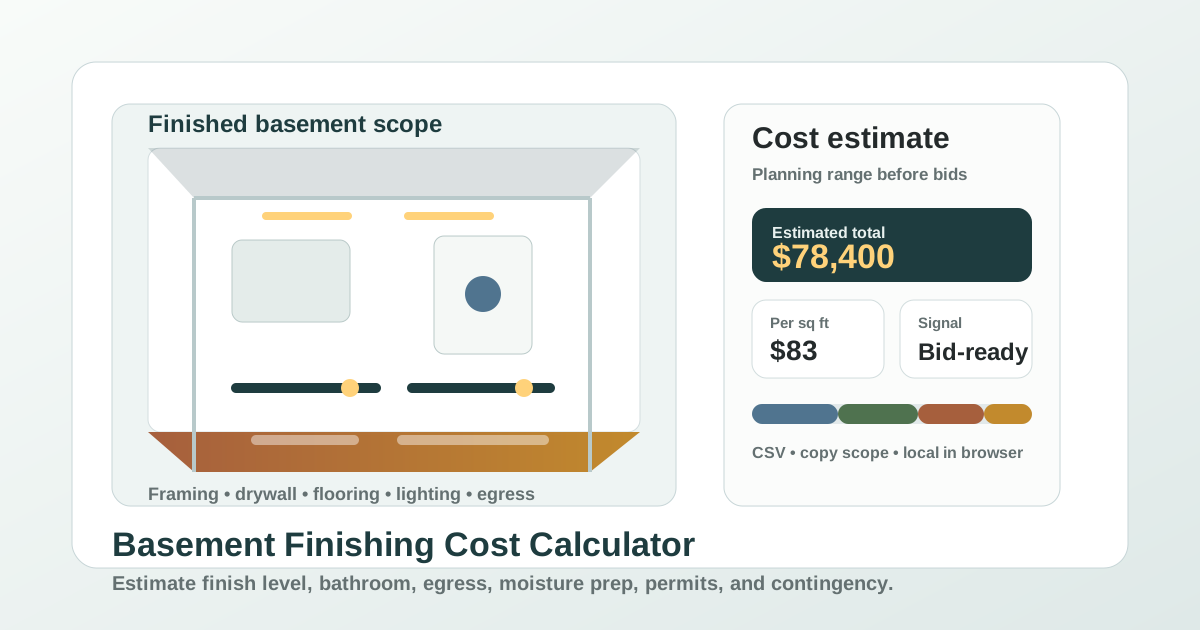
How this basement finishing estimate works
The calculator starts with a base cost per square foot, then adds condition, layout, finish quality, ceiling, flooring, insulation, trim, paint, electrical, HVAC, plumbing, bathroom, wet bar, egress, stair, permit, labor market, management, contingency, and tax assumptions.
Planning guardrail: basement finishing can trigger code, egress, ceiling height, electrical, plumbing, fire blocking, radon, moisture, and permit requirements. Use this as a budgeting worksheet, then verify scope with qualified local pros.
What makes a finished basement expensive
- Bathrooms, wet bars, egress windows, HVAC zoning, panel work, and drainage prep can add large fixed costs.
- Low ceilings, beams, duct soffits, many rooms, and bedroom layouts increase framing and finish labor.
- Moisture issues should be solved before drywall, flooring, trim, cabinets, or built-ins are installed.
- Premium ceilings, tile, upgraded trim, sound-rated walls, and media wiring can shift a basic basement into remodel-level pricing.
How to compare contractor bids
Ask each contractor to separate required code work from finish upgrades. The same basement can look cheaper if one quote excludes egress, permits, insulation, HVAC returns, electrical panel work, waterproofing, or cleanup. A clearer scope usually beats a single low number.
Items to confirm before signing
- Moisture testing, sump pump condition, wall sealing, and drainage assumptions.
- Ceiling height, egress, bedroom legality, smoke/CO detectors, and permit requirements.
- Electrical circuits, lighting count, outlets, subpanel needs, and inspection responsibility.
- HVAC supply and return strategy, bathroom exhaust, radon testing, and air quality work.