How the calculator works
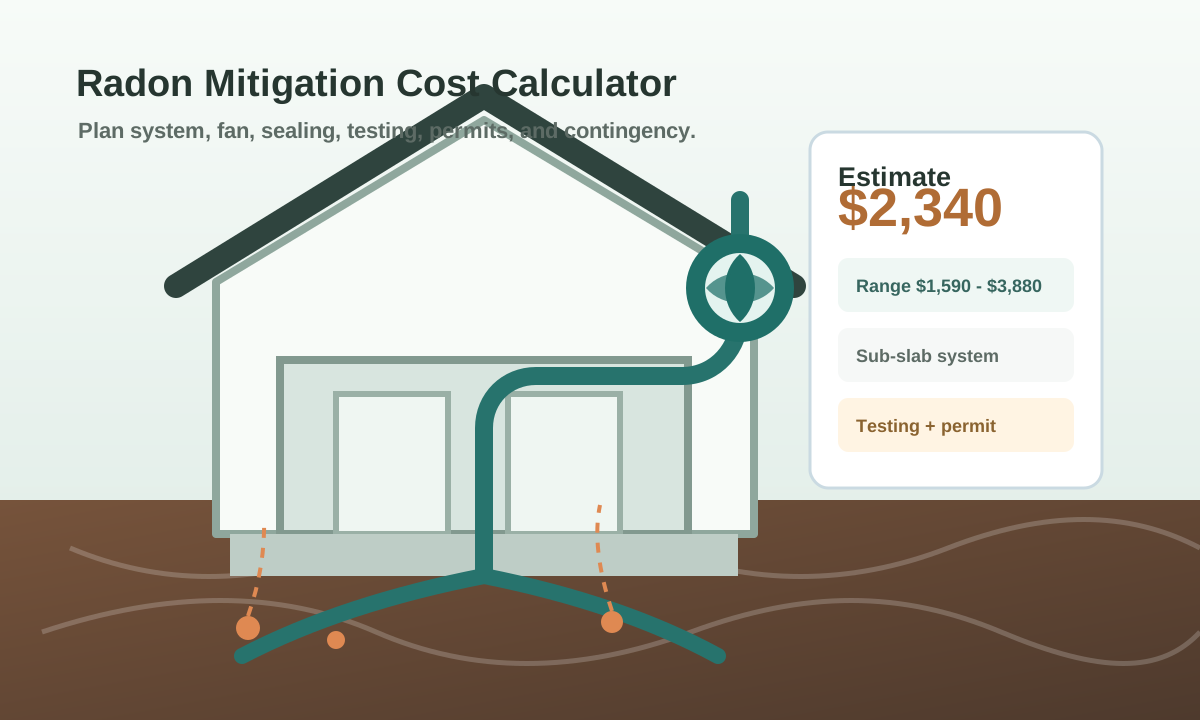
The estimate starts with a system-specific base and then adjusts for mitigation area, foundation type, suction points, fan class, pipe route, sealing, electrical work, discharge detail, post-test, permit, monitoring, access, labor market, timing, and contingency.
When quotes run higher
Costs rise when a home has mixed foundation sections, crawl-space membrane work, several suction points, difficult pipe routing, finished basement access, high-suction fans, panel electrical work, strict permits, or real estate rush timelines.
EPA action-level context
The EPA recommends fixing homes at 4 pCi/L or more and says homeowners may consider fixing homes between 2 and 4 pCi/L. This calculator does not test radon, diagnose health risk, or replace local guidance.
Formula summary
Expected cost = system base + mitigation-area allowance + suction-point allowance + fan upgrade + pipe-route adjustment + sealing allowance + electrical and discharge detail + testing + permit + monitoring + access and labor market adjustment + timing surcharge + contingency. The range widens for high radon readings, mixed foundations, crawl-space membrane systems, difficult access, and rush transactions.
How much does radon mitigation cost?
Many residential projects are quoted in the low thousands, but the final price can be lower for a simple passive-to-active upgrade or higher for mixed foundations, crawl-space membranes, multiple suction points, difficult routing, permits, or rush timing.
What is the most common radon mitigation system?
For many slab or basement homes, an active sub-slab depressurization system is common. It uses a suction point through the slab, piping, an inline fan, and a safe exterior discharge route. The right design depends on testing, foundation, and local standards.
Does this calculator replace a radon test?
No. Use a reliable short-term or long-term radon test, and follow local guidance. The calculator uses the entered reading only to widen the planning range and flag urgency; it does not measure radon.
Why do radon quotes vary so much?
Quotes vary because contractors may include different system designs, fan models, pipe routes, sealing scope, electrical work, permits, post-tests, warranties, and cleanup. Ask for a clear line-item scope before comparing prices.
Can I install a radon mitigation system myself?
Some homeowners research DIY options, but incorrect design, discharge placement, electrical work, or sealing can leave high radon levels unresolved. For active systems, use local rules and qualified professionals, especially for real estate transactions.
What should I ask before accepting a radon mitigation quote?
Ask for system type, suction point count, fan model, pipe route, sealing scope, electrical scope, discharge location, permit responsibility, post-test plan, warranty, and what happens if the follow-up test is still high.