What changes the price?
Interior painting cost changes with wall area, ceiling height, coats, paint grade, color contrast, wall repairs, trim and door count, ceilings, furniture masking, occupied-home access, and local painter labor rates.
Interior painting estimator
Estimate the cost to paint rooms, apartments, or a whole-house interior before you compare painter quotes. Adjust room count, wall area, ceiling height, coats, paint grade, wall condition, trim, doors, ceilings, primer, occupied-home setup, labor market, timing, and contingency.
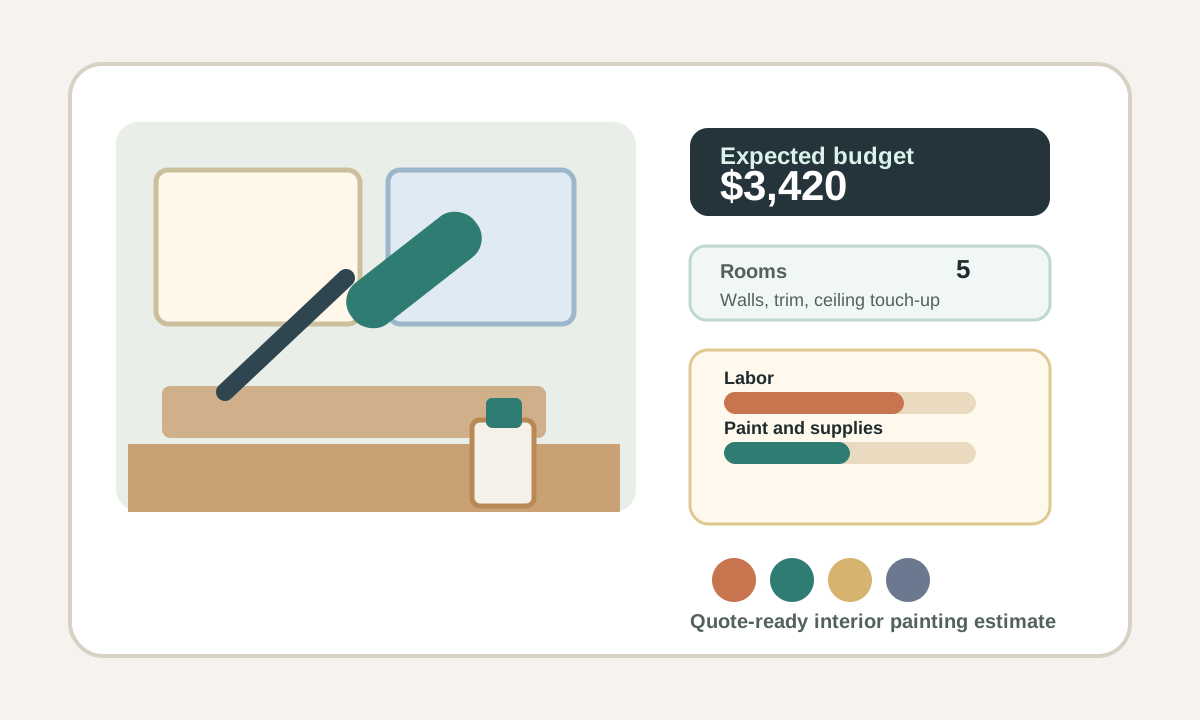
Use this calculator as a planning model for repainting bedrooms, living rooms, apartments, rental turns, or a full home interior. It estimates wall area, paint and primer allowance, supplies, painter labor, prep repairs, trim, doors, ceiling work, furniture masking, occupied-home setup, timing premium, and contingency. A local painting contractor should confirm measurements, substrate condition, lead-paint risk, moisture issues, and final scope.
Start with room count, average room size, ceiling height, and the surfaces included.
Add paint grade, color changes, wall repairs, trim, doors, ceilings, and setup complexity.
Include local labor pricing, occupied-home setup, ceiling work, schedule pressure, and contingency.
Interior painting cost changes with wall area, ceiling height, coats, paint grade, color contrast, wall repairs, trim and door count, ceilings, furniture masking, occupied-home access, and local painter labor rates.
The calculator estimates wall area from room count, average room size, and ceiling height, then applies coverage, coats, paint grade, primer, labor, prep, detail work, setup, timing premium, and contingency.
This is a planning estimate, not a contractor quote or safety inspection. Older homes may require lead-paint-safe practices, moisture repair, or substrate testing before painting.
Painting often sits near trim, drywall, cleaning, floor, and room refresh projects.
This page can support local painter leads, paint and supply affiliate links, quote-checklist downloads, and home refresh planning workflows while keeping the calculator free.
Common planning questions before you hire a painter.
A small room repaint can be a few hundred dollars, while multiple rooms or a whole-home interior can reach several thousand dollars. The biggest drivers are wall area, prep work, coats, paint quality, trim, doors, ceilings, furniture masking, and local labor.
Labor is usually the larger share for professional interior painting because masking, prep, cutting in, rolling, cleanup, and return visits take time. Paint and supplies become a larger share when premium finishes, primer, or multiple coats are needed.
Often yes. Strong color changes may need primer or extra coats for even coverage. That increases material, labor, drying time, and sometimes the number of visits.
Yes. Trim, doors, crown molding, built-ins, and ceilings use different prep and application time than flat walls. A clear quote should separate these items so you can compare painter bids fairly.
A good quote should list rooms, surfaces, wall repairs, primer, paint brand or allowance, sheen, coats, trim, doors, ceilings, furniture moving, masking, cleanup, timeline, warranty, and exclusions.
They can. Homes built before 1978 may involve lead paint, and damp or damaged surfaces can need repair before painting. Ask a qualified contractor about safe prep, testing, and local rules before disturbing old coatings.