What the calculator estimates
The calculator converts bed length, width, and depth into volume, then applies a waste factor to estimate cubic yards, cubic feet, cubic meters, bags, and cost.
Free garden and lawn compost estimator
Estimate compost cubic yards, cubic feet, 1.5-cubic-foot bags, cubic meters, waste, and bulk or bagged cost for vegetable beds, flower beds, raised beds, and lawns. Adjust depth and pricing for your supplier.
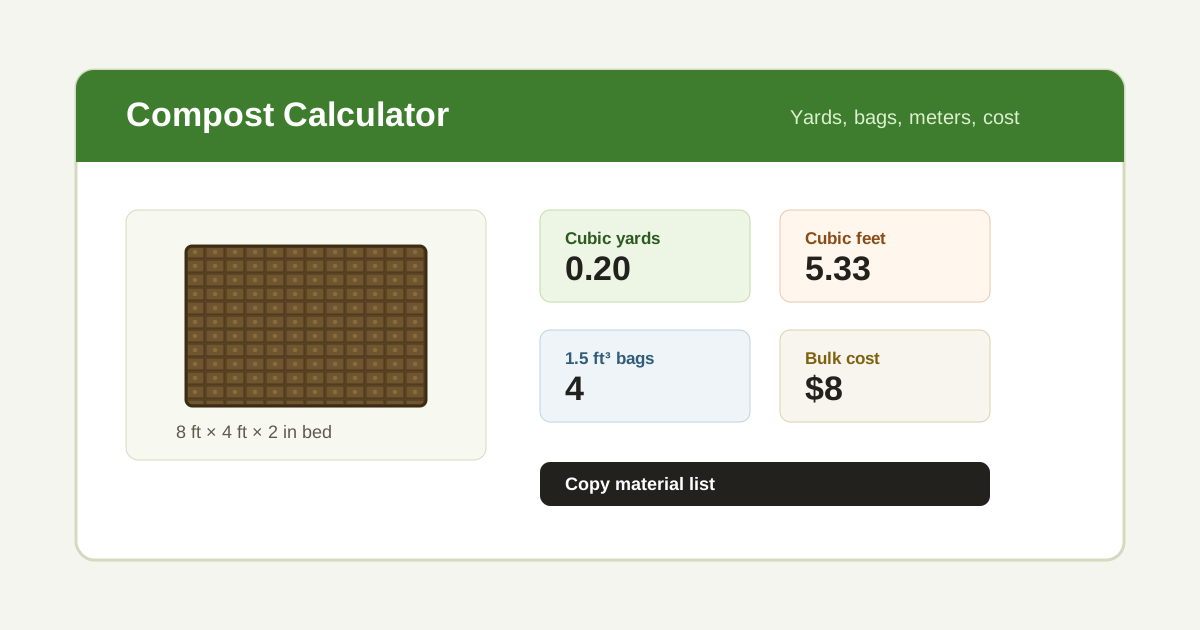
Enter the bed area and compost depth, and the calculator works out cubic yards, cubic feet, bag counts, and bulk or bagged cost. Coverage changes with moisture, compaction, and amendment ratio, so use this as a planning estimate and confirm with your supplier.
For irregular beds, split the project into rectangles and add them separately.
Bag size is editable because compost is sold by volume in 1, 1.25, and 1.5 cubic foot bags.
The calculator converts bed length, width, and depth into volume, then applies a waste factor to estimate cubic yards, cubic feet, cubic meters, bags, and cost.
Vegetable beds usually get 1 to 2 inches of compost mixed in each season, new beds 2 to 4 inches, raised beds 3 to 6 inches, and lawn topdressing a thin 0.25 inch layer.
Compost coverage changes with moisture, compaction, and how much it is blended with soil. Confirm bulk minimums, bag size, and final order before purchase.
Multiply bed length by width by compost depth in feet for cubic feet, then divide by 27 for cubic yards. Add a 10 percent waste factor for settling and spreading. This calculator automates that math for any bed size and depth.
One cubic yard equals 27 cubic feet. A standard 1.5 cubic foot bag of compost holds about 0.056 cubic yards, so it takes about 18 bags to make one cubic yard. This calculator lets you set the bag size for your supplier.
Mix 1 to 2 inches into vegetable beds each season, build new beds with 2 to 4 inches, fill raised beds 3 to 6 inches deep, and topdress lawns with a thin 0.25 inch layer so you do not smother the grass.
Bulk compost by the cubic yard is usually cheaper for projects over about 1 to 2 yards. Bags cost more per yard but are easier for small beds, containers, and tight access. This calculator shows both costs so you can compare.
A 10 percent waste factor is common for settling and spreading. Use 15 to 20 percent for very loose or fluffy compost, or for beds with many curves and edges that create more offcuts.
No. It is a planning estimate. Prices, delivery fees, taxes, minimum orders, compost blend, and site conditions vary by supplier and location.