Tree service quote planner

Stump Grinding Cost Calculator

Estimate stump grinding cost by diameter, depth, root flare, access, slope, debris hauling, backfill, grass repair, minimum trip charge, labor market, urgency, and contingency before comparing tree service quotes.

Stump count and diameter Root flare and grind depth Cleanup, fill, and lawn repair Copyable quote summary
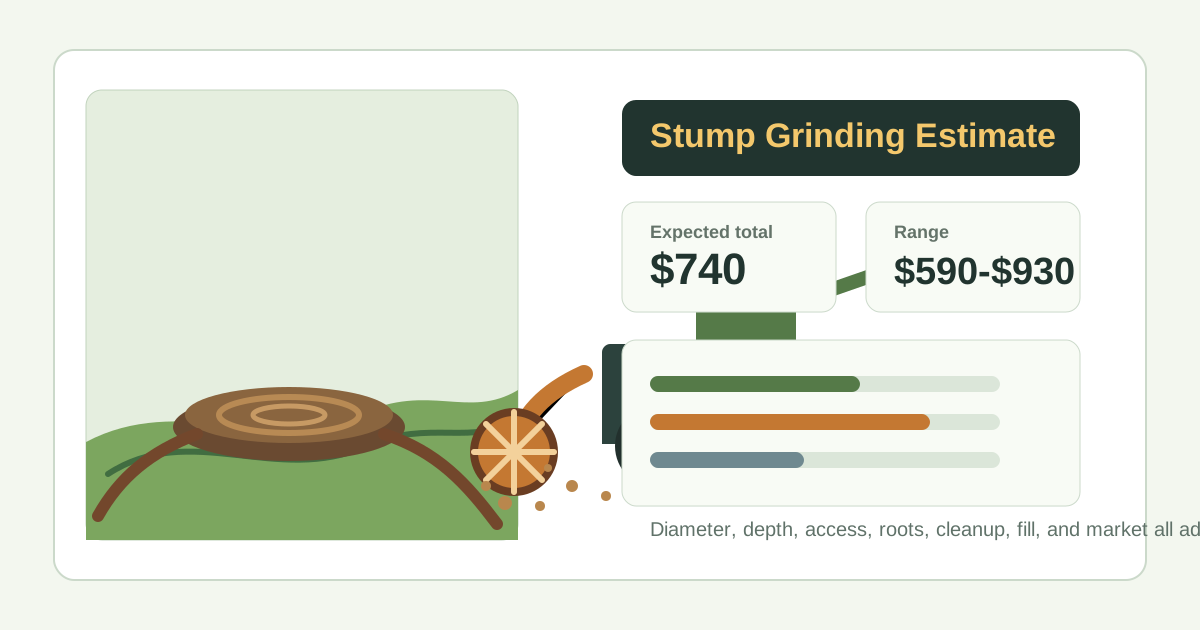
Stump grinding cost calculator preview with grinder wheel and estimate cards
Live estimate Defaults loaded

Build a stump grinding budget in minutes

Use this planning model for residential yard stumps after tree removal, old landscape stumps, small multi-stump cleanup, and quote comparison. It separates grinder work from travel minimums, debris, fill, and lawn repair so bids are easier to read.

Best forTree service quotes
Inputs20 cost drivers
OutputsTotal, range, CSV

Stump size

Diameter, count, depth, and roots drive most of the grinder time.

Site access

Gate width, slope, distance, and obstacles change setup time.

Cleanup and repair

Some quotes only grind. Add hauling, fill, and grass repair separately.

Pricing assumptions

Adjust market, minimum, timing, and buffer to match local quotes.

Estimated total $0 Planning estimate
Likely quote range $0-$0 Before unusual site surprises
Average per stump $0 Useful for multi-stump bids
Complexity score 0/100 Simple access

Cost mix

Line-item breakdown

Quote summary

Copy this when requesting tree service estimates.

How the stump grinding estimate works

The calculator starts with a per-stump setup allowance plus a diameter-based grinding charge. It then adjusts for depth, root flare, wood condition, access, slope, truck distance, obstacles, cleanup, backfill, grass repair, local market, urgency, minimum trip charge, and contingency.

Core formula

Estimated total = max(grinding labor + access add-ons + cleanup + backfill + grass repair + permit/admin, minimum trip charge) + contingency + tax/admin. The range uses a wider spread for tight access, heavy roots, deep grinding, rush timing, and embedded debris risk.

What changes the cost most?

  • Diameter and stump count usually drive grinder time.
  • Deep grinding, wide roots, hard wood, and embedded objects add risk and time.
  • Narrow gates, steps, steep slopes, distance from the truck, and obstacles raise setup cost.
  • Hauling chips, bringing topsoil, and repairing grass are often priced separately from grinding.

Important limits

This is a planning estimate, not a contractor quote, arborist report, utility clearance, or safety assessment. Confirm underground utilities, irrigation, rocks, metal, property access, local disposal rules, and final scope with a qualified local tree service.

Stump grinding cost FAQ

How much does stump grinding usually cost?

Small, easy-access stumps may be a few hundred dollars because many companies apply a minimum trip charge. Larger hardwood stumps, multiple stumps, deep grinding, cleanup, and lawn repair can push the quote higher.

Is stump grinding priced by diameter or by the job?

Many tree service quotes use diameter, stump count, minimum charge, and access together. A single small stump may still hit a minimum fee, while multiple stumps can have a lower average price per stump.

Does stump grinding include hauling away wood chips?

Not always. Some quotes leave chips in the hole or spread them nearby. Hauling chips, raking clean, bringing topsoil, and restoring grass may be separate add-ons.

How deep should a stump be ground?

Standard grinding often removes the stump several inches below grade. Deeper grinding may be needed for replanting, new sod, patios, or landscaping, and it usually costs more.

Why does access affect stump grinding price?

Large grinders need room to enter, turn, and work safely. Narrow gates, stairs, slopes, retaining walls, fences, irrigation, utilities, and long walks from the truck can add setup time or require smaller equipment.

Is this calculator a final tree service quote?

No. It is a planning estimate for comparing bids. Local labor rates, stump species, roots, rocks, metal, utilities, disposal, property access, taxes, and company minimums vary by site.