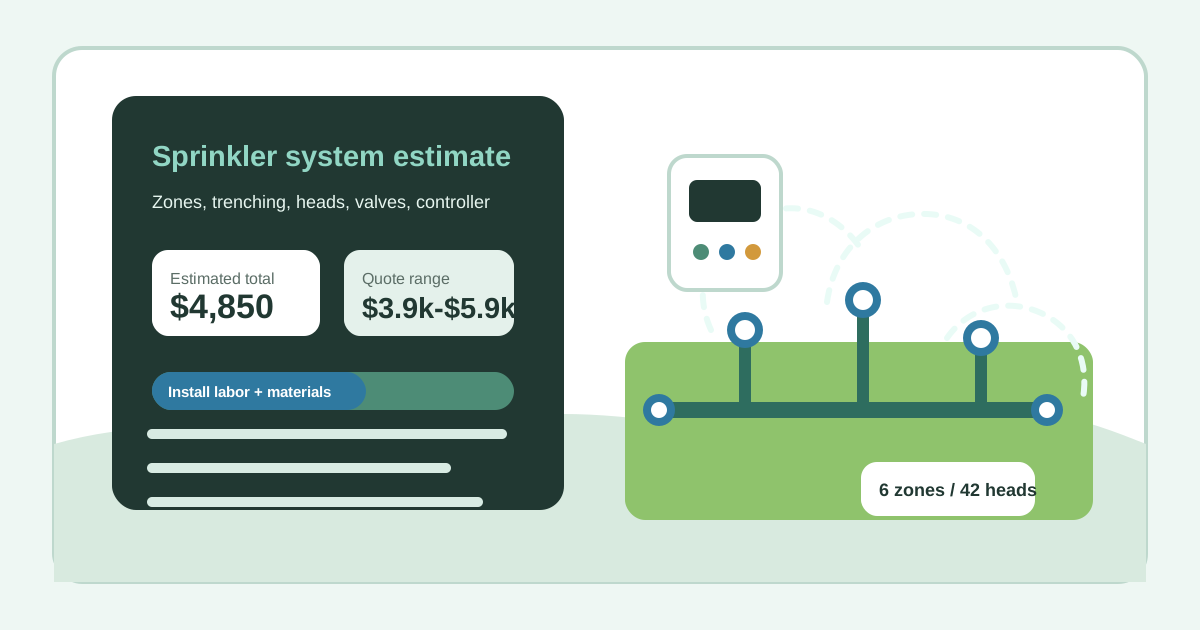
How the sprinkler system estimate works
The calculator starts with system size: zones, sprinkler heads, drip area, pipe length, valves, and trenching. It then adjusts for soil, slope, hardscape, controller, backflow preventer, water tie-in, sensors, permits, yard repair, labor market, timing, minimum mobilization, and contingency.
Core formula
Estimated total = max(materials + trenching labor + equipment and connection + yard repair + permit/admin, minimum mobilization) + contingency + tax/admin. The range widens for rocky soil, hardscape sleeves, long tie-ins, strict inspections, peak-season installs, complex shapes, and high-cost labor markets.
What changes the cost most?
- Zone count, head count, pipe length, and drip area usually drive material and labor.
- Rocky soil, roots, walkways, driveways, and utility conflicts add trenching or boring time.
- Smart controllers, premium valves, sensors, backflow assemblies, and plumber-required tie-ins can shift the quote quickly.
- Repair scope matters: seed touch-up, sod patches, and premium restoration are often separate from the irrigation install.
Important limits
This is a planning estimate, not plumbing advice, code guidance, water-use approval, or an installer quote. Confirm water pressure, flow rate, local backflow rules, permits, utility markings, freeze protection, controller wiring, and final zone design with a licensed irrigation professional where required.