What changes the price?
Hardwood refinishing cost changes with square footage, sanding depth, finish type, coat count, stain color, floor condition, stairs, trim removal, dust containment, furniture moving, and local flooring labor rates.
Hardwood floor refinishing estimator
Estimate the cost to sand and refinish hardwood floors before comparing flooring contractor quotes. Adjust square footage, floor condition, sanding scope, stain, finish type, coat count, stairs, furniture moving, dust control, local labor, timing, and contingency.
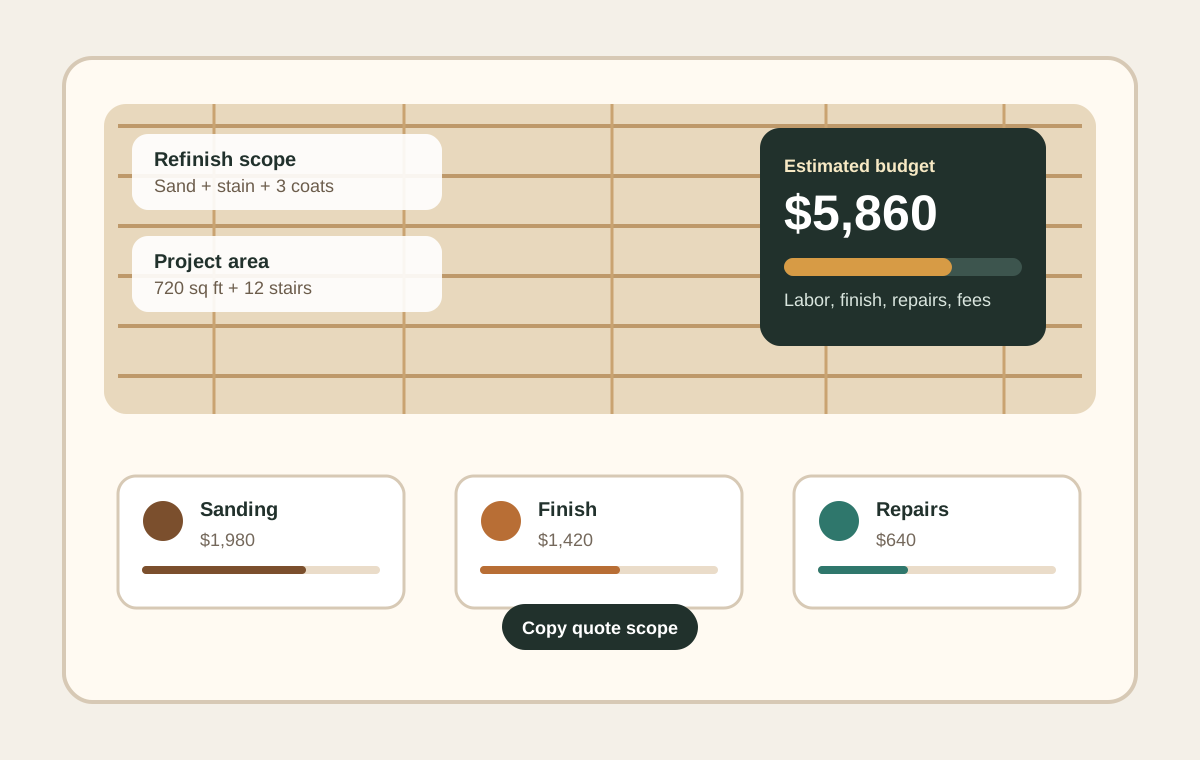
Use this calculator as a planning model for hardwood sanding, stain, sealer, finish coats, screen-and-recoat projects, stair treads, spot repairs, furniture moving, dust containment, and quote comparison. It is a budget estimate, not a contractor quote. A local flooring pro should confirm species, veneer thickness, moisture, old coatings, pet stains, subfloor movement, and whether the floor can be safely sanded again.
Start with measured square footage, floor condition, and the refinishing method.
Add stain, boards, stairs, thresholds, vents, quarter round, and dust control.
Refinishing quotes vary by market, furniture handling, floor level, and schedule.
Hardwood refinishing cost changes with square footage, sanding depth, finish type, coat count, stain color, floor condition, stairs, trim removal, dust containment, furniture moving, and local flooring labor rates.
The calculator multiplies the project area by a refinishing rate, then adjusts for finish materials, coats, stain, repairs, stairs, transitions, access, mobilization, timing, and contingency.
This is not a floor inspection or structural recommendation. Very thin engineered flooring, moisture damage, lead in older coatings, asbestos in adjacent materials, and pet stains may require professional inspection before sanding.
Floor refinishing often sits near painting, trim, cleaning, and remodel planning.
This page can support flooring contractor leads, floor finish and cleaning affiliate links, quote checklist downloads, and home refresh workflows while keeping the calculator free.
Common planning questions before you hire a flooring contractor.
Small screen-and-recoat projects can cost far less than full sanding, staining, and multi-coat finishing. Full refinishing often lands in a per-square-foot range that changes with floor condition, finish type, local labor, stairs, repairs, and furniture handling.
Screen and recoat lightly abrades the existing finish and adds a new topcoat. Full refinishing sands down the floor, removes deeper wear or old color, and usually includes new stain or finish coats. Full refinishing costs more but solves more visible wear.
Yes. Stair treads, risers, nosings, rail edges, and landings take more hand work than open floor areas. Most quotes price stairs separately or add a stair allowance.
Usually yes. Stain adds material, sampling, drying time, and color-risk management. Dark or custom colors can need more careful sanding and sample approval.
Sometimes. It depends on the thickness of the wear layer, prior sanding, floor condition, and manufacturer guidance. A flooring pro should inspect engineered floors before sanding.
No. This is a budgeting calculator for planning and quote comparison. A local flooring contractor should inspect the floor, confirm the scope, and provide the final written bid.