Home charging quote planner

EV Charger Installation Cost Calculator

Estimate home EV charger installation cost for Level 1 outlets, Level 2 plug-in chargers, hardwired EVSE, and dual-charger setups. Build a planning range from circuit amps, panel capacity, wire run, routing, trenching, permits, electrician labor, and optional verified rebates or credits.

Level 1, Level 2 plug-in, hardwired, and dual charger scopes Panel, breaker, wire run, conduit, trenching, and permit detail Optional rebate input without tax advice Copy estimate and CSV export
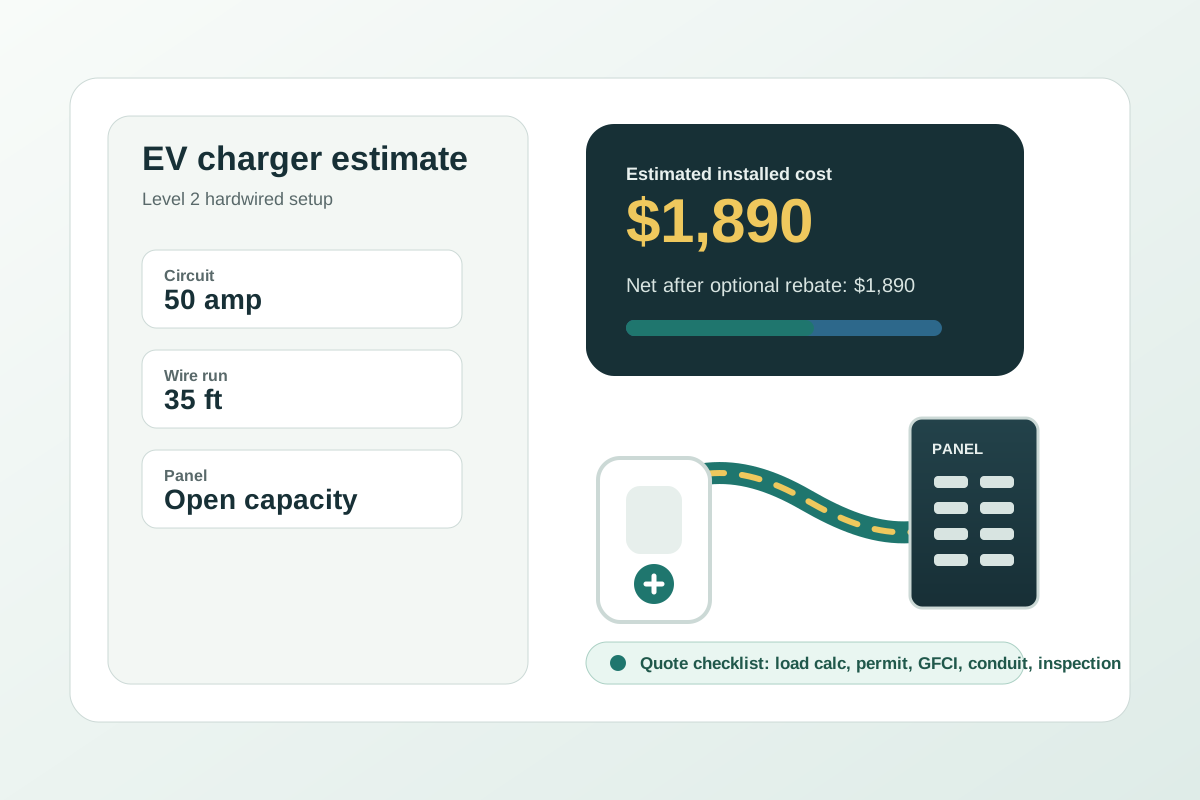
EV charger installation cost calculator preview with garage charger, wire run, panel work, and estimate cards
Instant estimate Level 2 hardwired $0

Build a home EV charger installation estimate

Choose charger scope, circuit size, panel condition, routing distance, trenching, location, permit allowance, and local electrician pricing. The calculator returns gross installed cost, net cost after optional verified incentives, a low/high range, and a quote checklist for electricians.

Circuit size0 amp
Panel scopeOpen panel
Net after optional rebate$0

Charger and circuit

Installed price changes with charger level, plug-in versus hardwired scope, circuit amperage, and whether the charger is included.

Wire run and routing

Distance from panel to parking location drives wire gauge, conduit, labor hours, and wall repair risk.

Labor market and incentives

Use the rebate field only after checking utility, state, or official tax-credit eligibility. The calculator does not decide eligibility.

Estimated installed cost$0Planning range
Net after optional rebate$0Optional verified incentives
Electrical and materials$0Wire, breaker, panel, conduit
Labor and permit$0Electrician labor and inspection

Electrician quote checklist

Use this when comparing EV charger installation bids.

    What this calculator includes

    It estimates charger equipment, NEMA outlet or hardwired EVSE, breaker and protection, copper wire, conduit, wall routing, trenching, panel work, load management, permit allowance, inspection coordination, electrician labor, overhead, and optional verified rebate or credit amount.

    Why EV charger quotes vary

    A short garage run from a panel with open capacity can be simple. A detached garage, finished-wall route, trench, 60 or 80 amp circuit, subpanel, load management, or panel upgrade can move the quote into a very different range.

    Planning note

    This is a budgeting tool, not electrical design, tax advice, or code advice. Confirm load calculation, breaker type, conductor size, GFCI requirements, permits, rebates, and inspection rules with a licensed electrician and official sources.

    EV charger installation cost formula used here

    • Equipment cost = selected charger package cost x charger count, with dual-port adjustment when selected.
    • Electrical materials = circuit base parts + wire run x amperage wire cost + routing materials + breaker or disconnect protection.
    • Panel scope = open panel, tandem breaker, load management, subpanel, or panel upgrade allowance.
    • Labor cost = base electrician hours by charger type, wire run, routing complexity, trench length, panel work, and local market.
    • Total installed cost = equipment + materials + panel work + location add-ons + wall repair + labor + permits + overhead or tax allowance.
    • Net cost = total installed cost minus any optional verified rebate, utility incentive, or credit amount you enter.

    Example: simple garage Level 2

    A 40 or 50 amp Level 2 charger on an open garage wall near a panel with capacity is usually driven by charger equipment, breaker, short wire run, and a few labor hours.

    Example: driveway or carport

    Exterior placement may add conduit, weather-rated parts, a disconnect, GFCI protection, longer wire run, and stricter permit review. Ask whether the bid includes surface restoration.

    Example: detached garage

    A detached garage can require trenching, conduit, subpanel work, load calculation, inspection coordination, and utility constraints. Use the checklist to make bids comparable.

    EV charger installation cost FAQ

    How much does EV charger installation cost?

    Home EV charger installation cost depends on charger type, circuit amperage, wire run distance, panel capacity, breaker requirements, routing, trenching, permits, and local electrician rates. Use the calculator to build a planning range before requesting bids.

    Is a Level 2 charger more expensive than a Level 1 outlet?

    Usually, yes. Level 2 charging often needs a 240V circuit, heavier wire, a larger breaker, an EVSE unit, and more installation labor. Level 1 outlet work can be simpler, but it charges much more slowly.

    Why does panel capacity change the estimate?

    If the electrical panel has open breaker space and capacity, the job may stay simple. If it needs load management, a subpanel, or a panel upgrade, labor, materials, permits, and inspection coordination can rise quickly.

    Does this calculator include rebates or tax credits?

    It includes an optional rebate or credit input, but it does not determine eligibility. Enter only amounts you have verified from a utility, state program, IRS page, installer quote, or other official source.

    Should I choose plug-in or hardwired?

    Plug-in chargers can be easier to replace, but the outlet, GFCI rules, and plug rating matter. Hardwired chargers may support cleaner installs and some higher-amp setups. Ask a licensed electrician which approach fits your panel, location, and local code.

    What should I ask an electrician before approving a quote?

    Ask whether the bid includes a load calculation, permit, inspection, breaker type, conductor size, conduit, trenching, wall repair, charger mounting, disconnect, surge protection if needed, commissioning, and any rebate paperwork support.