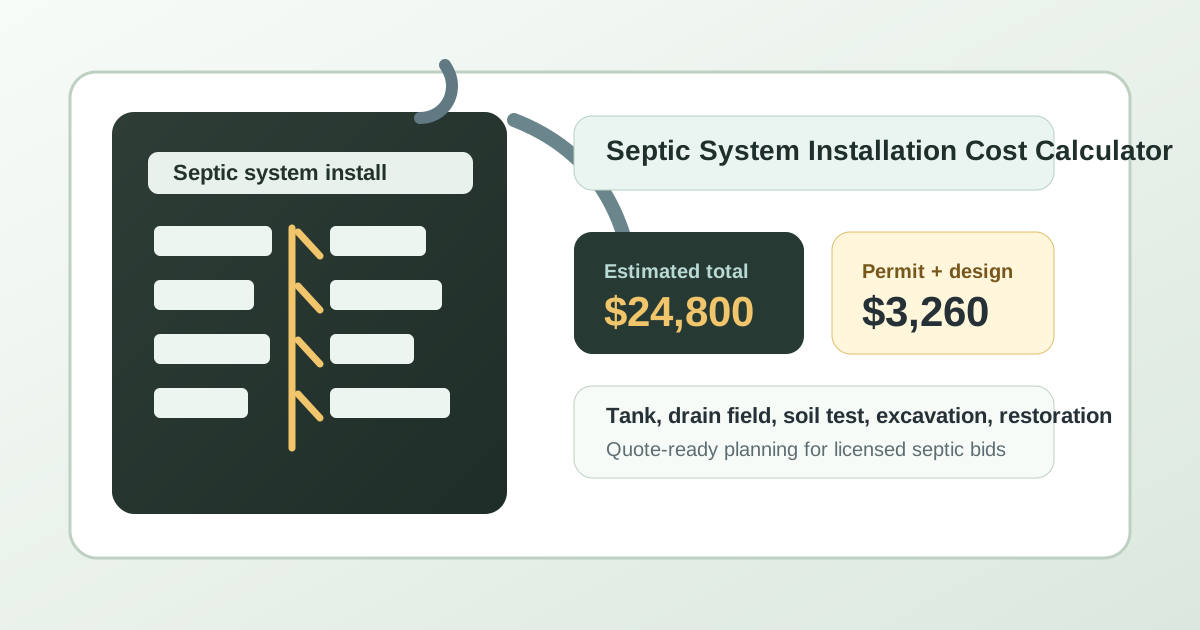
What this calculator estimates
It estimates septic system installation cost from tank size, system type, tank material, drain field length, bedrooms, soil and perc results, groundwater, excavation difficulty, access, pumps, electrical work, permits, soil tests, design engineering, demolition, restoration, labor, tax, and contingency.
Why quotes vary
A small tank swap is not the same as a full replacement with a new drain field, mound system, engineered design, poor soil, steep slope, high groundwater, power work, and cleanup/restoration after the dig.
Compliance note
Planning estimate only. This calculator does not design a septic system or give permit/legal advice. Final scope should be confirmed by a licensed septic contractor or designer and the local health or environmental department.
How much does septic system installation cost?
Cost depends on tank size, system type, soil, perc test results, drain field length, excavation difficulty, groundwater, access, permits, design, electrical work, and restoration after the install.
Is septic system installation the same as septic tank pumping?
No. Pumping is routine maintenance. Installation is a new build or replacement job that can include excavation, drain field work, permits, soil testing, and system design.
What changes the cost most?
Drain field length, soil and perc results, groundwater, slope, access, system type, tank material, and whether the job needs engineering or a mound or aerobic system usually move the price most.
Does this include permits and soil testing?
Yes, there are separate fields for permits, soil testing, and design engineering so you can budget those items instead of hiding them inside one lump sum.
Can this calculator design my septic system?
No. It is a budgeting tool only. A licensed septic designer or contractor should size the system and confirm setbacks, perc results, and local rules.
Is this a final contractor quote?
No. It is a planning estimate to help compare bids. Final pricing depends on site inspection, excavation surprises, product selection, utility coordination, and local permitting.