How this deck repair estimate works
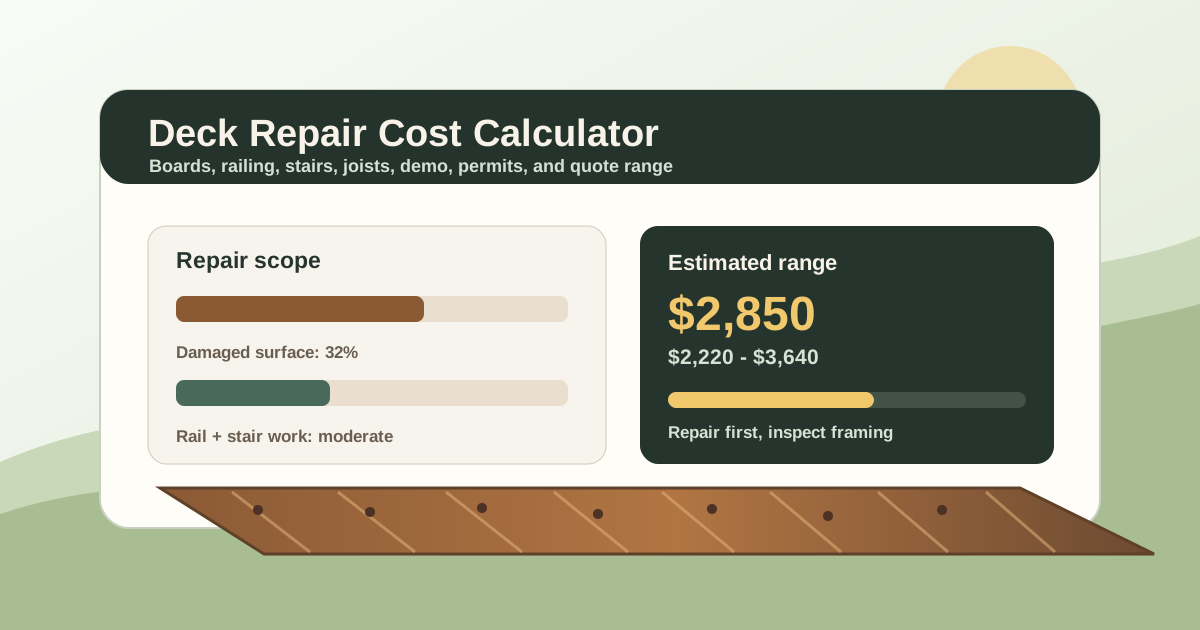
The calculator turns your visible repair scope into a planning budget. It combines decking material, damaged surface area, removal difficulty, railing and stair repairs, framing work, site access, permit allowance, local labor level, cleanup, contingency, and tax or admin overhead.
Safety note: soft framing, ledger movement, loose guards, failing stairs, rot near posts, and major settlement need an on-site inspection. Use this estimate to prepare questions, not to clear a deck for use.
Why deck repair costs vary
- Small board swaps may be mostly labor and mobilization, while larger resurfacing jobs are driven by decking material and waste.
- Composite, PVC, hidden fasteners, elevated decks, and tight access usually increase labor time.
- Railing, stair, ledger, joist, post, or beam work can turn a cosmetic project into structural repair.
- Permits and inspections vary by city, especially when load-bearing components are touched.
When repair may not be enough
If the estimate approaches a large share of replacement cost, or if framing repairs are spread across many joists, ask for a repair quote and a replacement quote. A deck with widespread rot, unsafe railings, failed footings, or ledger problems may not be a good candidate for surface-only repairs.
What to ask contractors
- Which boards, rails, stair pieces, joists, posts, or hardware are included?
- Will the crew inspect the ledger, flashing, footings, guards, and stair stringers?
- Are permits, debris removal, finish touchups, and matching materials included?
- Is the quote fixed-price, time-and-materials, or dependent on hidden rot?